
Ultherapy vs Surgical Facelift: Key Differences
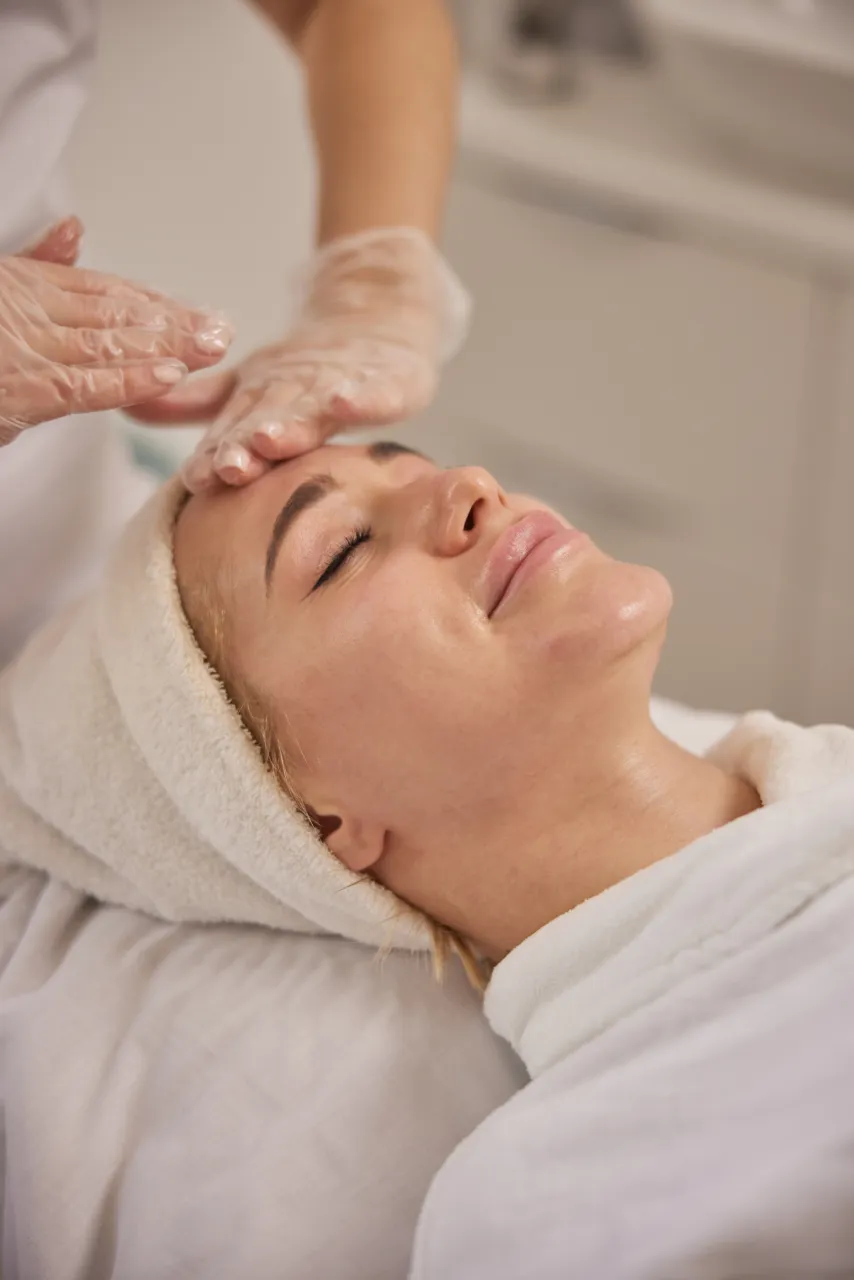
Are you noticing looser skin around the face or jawline and wondering which treatment may suit you? Ultherapy and surgical facelifts can both address skin laxity, but they work in very different ways. The right option depends on factors such as the degree of sagging, treatment goals, expected results and the amount of downtime you are comfortable with.
What Is Ultherapy?
Ultherapy is a non-invasive treatment that uses focused ultrasound energy to stimulate collagen production beneath the skin. It is commonly used to address mild to moderate skin laxity on areas such as the face, jawline and neck.
The treatment delivers controlled ultrasound energy to deeper tissue layers without cutting or removing the skin. This stimulates the body’s natural collagen response, which may gradually improve skin firmness and facial contours over time.
Because the changes develop gradually, results vary depending on factors such as age, skin condition and the degree of laxity being treated.
What Is a Surgical Facelift?
A surgical facelift is a cosmetic procedure that may lifts and repositions facial tissues to address more noticeable skin laxity, deeper folds and reduced facial definition. It is generally considered when non-surgical treatments may not provide the degree of correction a patient is looking for.
During the procedure, a plastic surgeon may reposition underlying tissues and remove excess skin to improve facial contours. The treatment plan will depend on factors such as the areas of concern, skin condition and the extent of sagging.
A facelift involves surgery and usually requires a longer recovery period than non-invasive treatments such as Ultherapy. The surgeon will assess the patient’s facial structure and goals before discussing whether the procedure may be suitable.
How to Choose Between Ultherapy and a Surgical Facelift
The choice depends on the patient’s degree of skin laxity, treatment goals and preferred recovery time. A consultation can help assess these factors and determine which option may be suitable.
Degree of Skin Laxity
Ultherapy may be considered for patients with mild to moderate skin laxity who want to address early sagging without surgery. A surgical facelift may be considered when skin laxity is pronounced, and deeper facial tissues require repositioning.
Expected Results
Patients who prefer gradual changes in skin firmness and facial contours may consider Ultherapy. A surgical facelift takes a different approach by directly lifting and repositioning facial tissues, resulting in a more noticeable change in facial contours.
Recovery Expectations
Recovery is another important consideration. Ultherapy usually involves minimal downtime, and many patients can return to their usual activities shortly after treatment. A surgical facelift requires a longer recovery period as swelling, bruising and the treated areas need time to heal.
Treatment Goals
The areas of concern and the type of change the patient hopes to achieve should also be considered. Ultherapy may suit patients seeking non-surgical skin tightening, while a facelift may be considered when surgical lifting is required to address sagging.
Before deciding between the two treatments, patients may find it helpful to understand the possible risks of each option. Ultherapy may cause temporary redness, swelling, tenderness or sensitivity. A surgical facelift involves different considerations, including bleeding, infection, scarring and complications related to healing or anaesthesia. A consultation can help patients understand these risks and what to expect before choosing a treatment.
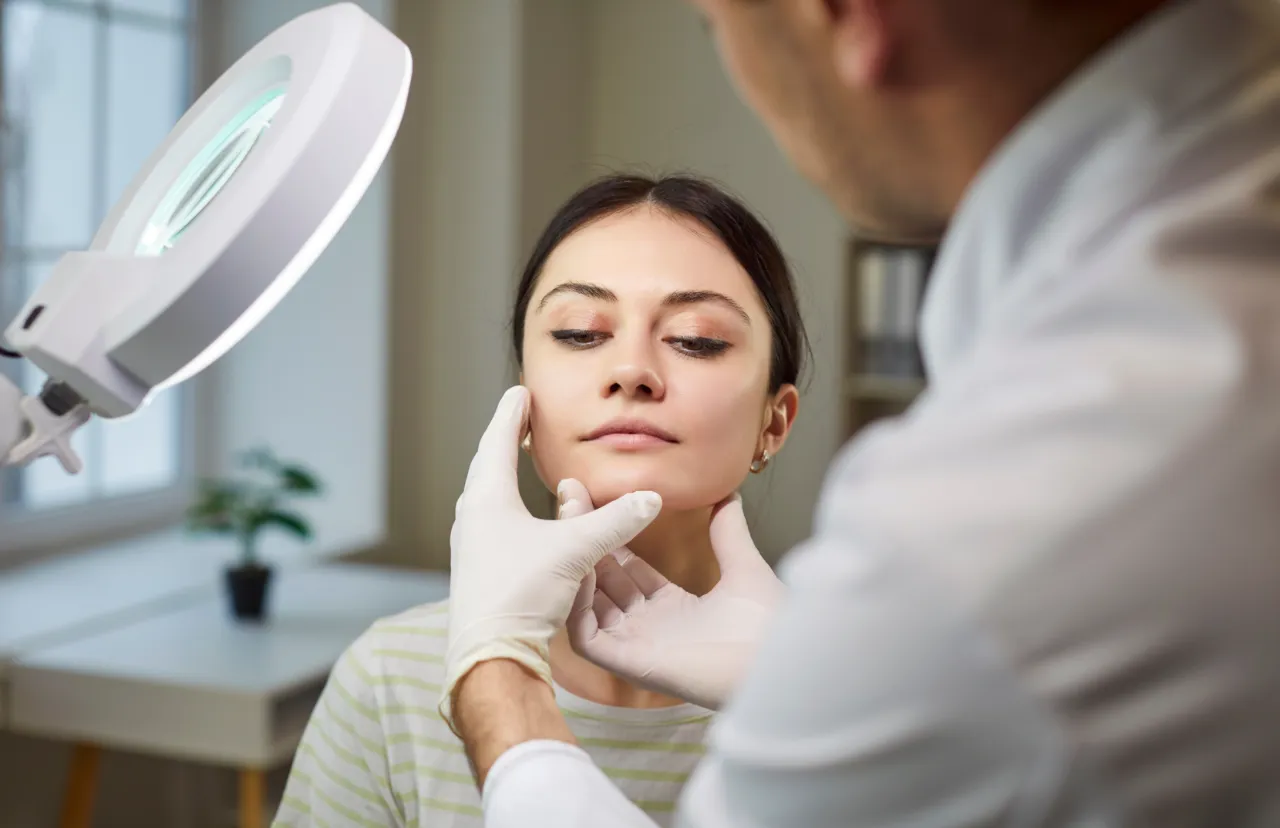
Managing Facial Ageing with Ultherapy at The DRx Clinic
Ultherapy and a surgical facelift can both address signs of facial ageing, including skin laxity and reduced firmness, but they work in different ways. Ultherapy uses focused ultrasound energy to stimulate collagen production, while a surgical facelift lifts and repositions facial tissues. The more suitable approach depends on factors such as the degree of skin laxity, treatment goals and preferred recovery time.
At The DRx Clinic, Ultherapy is available as a non-surgical option for patients looking to improve skin firmness and facial contours. A consultation allows our doctor to assess the patient’s skin condition, discuss their concerns and determine whether Ultherapy may be suitable for their aesthetic goals.
Frequently Asked Questions About Ultherapy and Facelift
Can Ultherapy prevent the need for a facelift in the future?
Not in the same way. Ultherapy provides gradual and generally subtler lifting for suitable patients, while a surgical facelift can address more pronounced skin laxity by repositioning facial tissues directly.
Can Ultherapy prevent the need for a facelift in the future?
No. Ultherapy cannot stop the natural ageing process or guarantee that a patient will not consider a facelift in the future. It may help improve mild to moderate skin laxity, depending on the patient’s skin condition and treatment goals.
Does Ultherapy affect facial expressions?
Ultherapy is not intended to alter facial expressions. The treatment delivers focused ultrasound energy beneath the skin to stimulate collagen production rather than surgically repositioning facial tissues. Patients should still discuss potential side effects and individual concerns with their doctor before treatment.
Is Ultherapy painful?
Patients may feel warmth, tingling or some discomfort as the ultrasound energy is delivered. The level of discomfort varies between patients and treatment areas, and the doctor can discuss ways to make the procedure more comfortable.
How long do Ultherapy results last?
Results may last for a year or longer in some patients, although this varies with skin condition, treatment response and the natural ageing process. Changes usually develop gradually over 2 to 3 months as collagen remodelling takes place.
Does Ultherapy make the face smaller?
Ultherapy does not physically reduce the size of the face. However, tightening lax skin around areas such as the jawline may give the lower face a firmer or more defined appearance in suitable patients.
What should I avoid after Ultherapy?
Most patients can return to their usual activities shortly after Ultherapy. Temporary redness, swelling, tenderness or tingling may occur, and patients should follow the aftercare instructions provided by their doctor, particularly regarding skincare, medications and other treatments.