
Types of Face Laser Treatments
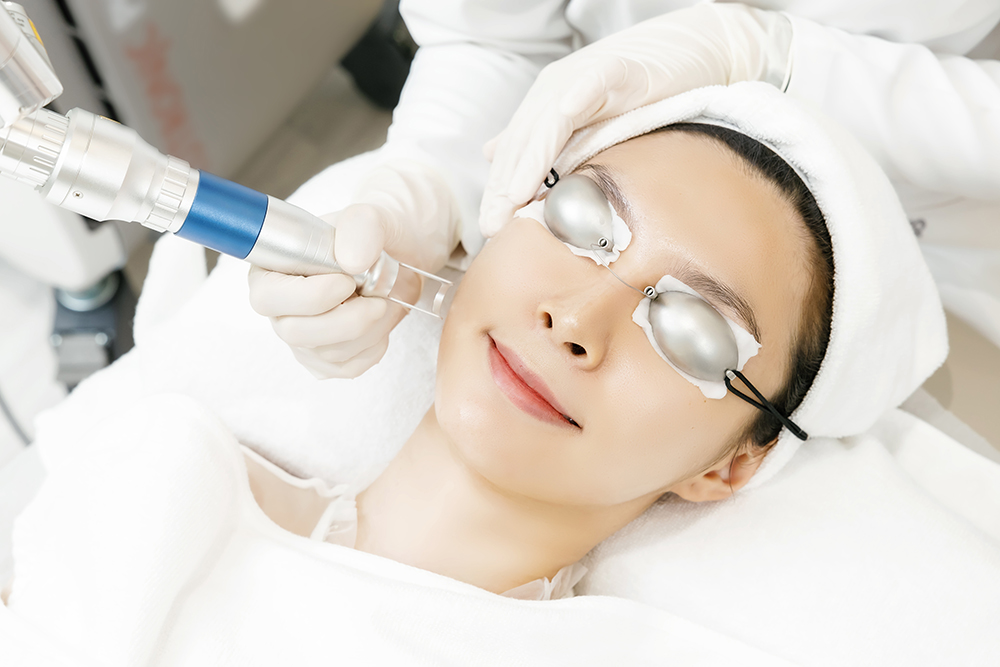
Considering a face laser treatment but not sure which option may be suitable for your skin? Different laser treatments are designed to address different concerns, from pigmentation and uneven texture to signs of ageing. The right option depends on the patient’s skin condition, treatment goals and how each laser works.
What Are Face Laser Treatments?
Face laser treatments are non-surgical procedures that use concentrated light energy to address specific skin concerns. Depending on the laser used, treatment may target pigmentation, visible blood vessels, uneven texture or signs of skin ageing.
The laser delivers controlled energy to selected areas of the skin while limiting exposure to the surrounding tissue. This energy interacts with specific targets in the skin and may stimulate collagen production, break down pigmentation or remove damaged surface layers.
Changes usually develop gradually as the skin responds to treatment. The type of result and recovery involved will depend on the laser used, the concern being treated and the patient’s skin condition.
What are the different types of face laser treatments?
Face laser treatments are designed to target different concerns, so the type used will depend on factors such as pigmentation, skin texture, redness and signs of ageing. Some commonly used options include:
Fractional CO2 Laser
Fractional CO2 laser is an ablative treatment that creates microscopic treatment zones in the skin to support renewal and collagen production. It may be considered for concerns such as acne scars, wrinkles, enlarged pores and uneven skin texture.
Pico Laser
Pico laser delivers very short pulses of laser energy to break down unwanted pigment while limiting heat exposure to the surrounding skin. It may be used for pigmentation concerns such as acne marks, melasma and uneven skin tone.
Q-switched Nd:YAG Laser
Q-switched Nd:YAG laser uses short pulses of energy to target excess pigment within the skin. It may be considered for freckles, sunspots, age spots and post-inflammatory hyperpigmentation, depending on the patient’s skin type and the nature of the pigmentation.
Erbium Laser
Erbium laser is an ablative treatment that removes controlled layers of damaged skin to encourage skin renewal. It may be used to improve fine lines, mild acne scarring and uneven skin texture.
Vascular Laser
Vascular laser targets visible blood vessels beneath the skin and is commonly used for concerns linked to redness. Depending on the condition, it may help reduce the appearance of facial redness, rosacea and visible small blood vessels.
Each laser works differently, so a skin assessment can help determine which option may be suitable for the patient’s concerns, skin type and treatment goals.
How to Choose the Right Face Laser Treatment
The right face laser treatment depends on the patient’s skin concerns, skin type, treatment goals and preferred amount of downtime. During a consultation, the doctor can assess these factors, discuss the expected recovery and recommend a laser treatment that may be suitable for the patient’s needs.
- Skin Concern: The concern being treated is often the starting point. Pigmentation, acne scars, wrinkles, uneven texture and facial redness may respond to different types of laser treatment.
- Skin Type: Skin tone and overall skin condition can affect how the skin responds to laser energy. Certain lasers may be more suitable for particular skin types, so this should be considered before treatment.
- Treatment Goals: The preferred outcome also matters. Some lasers focus on pigmentation, while others are used for resurfacing, collagen stimulation or improving overall skin texture.
- Recovery Time: Downtime varies between treatments. Some lasers involve little interruption to daily activities, while others may require several days of recovery as the skin heals.
What Factors Can Affect Face Laser Treatment Results?
Face laser treatment results can vary between patients. Skin condition, the treatment plan and how the skin is cared for before and after each session can all influence how the skin responds and how long the results remain noticeable.
Following the Recommended Treatment Plan
Some laser treatments require a series of sessions rather than a single appointment. Following the recommended schedule gives the skin time to respond gradually and allows the doctor to review progress along the way.
Proper Aftercare
Aftercare plays an important role in supporting recovery. Patients should follow the instructions provided by their doctor, particularly while the skin is still sensitive after treatment.
Sun Protection
Sun exposure can affect healing and may increase the risk of pigmentation changes in some patients. Regular sun protection can help protect treated skin and support the results after laser treatment.
Skincare Routine
A gentle and suitable skincare routine can help support the skin during recovery. Patients may also be advised to pause certain active products temporarily, depending on the type of laser treatment performed.
Lifestyle Habits
Lifestyle factors such as smoking, sleep and general health can influence how the skin recovers. Maintaining supportive daily habits may also help patients care for their skin between treatment sessions.
Choosing a Face Laser Treatment at The DRx Clinic
There are several types of face laser treatments, including Fractional CO2 Laser, Pico Laser, Q-switched Nd:YAG Laser, Erbium Laser and Vascular Laser. Each works differently and may be used for concerns such as pigmentation, acne scars, wrinkles, facial redness and uneven skin texture. The appropriate option will depend on the patient’s skin condition, skin type, treatment goals and expected recovery.
At The DRx Clinic, patients can undergo a skin assessment to discuss their concerns and available treatment options. Our doctor can then recommend a treatment plan based on the patient’s skin needs, goals and suitability for the selected laser procedure.
Frequently Asked Questions
Can I combine different face laser treatments?
Some patients may be able to combine different laser treatments, depending on their skin concerns and treatment plan. Your doctor will consider your skin type, concerns and recovery needs before recommending whether a combination approach is suitable.
How many laser treatment sessions will I need?
The number of sessions you need depends on the type of laser used and the concern being treated. You may need only a few sessions, or you may benefit from a longer treatment course with intervals between appointments.
Can a laser permanently remove my melasma?
No. Laser treatment may help lighten melasma, but it cannot stop the condition from returning. You may need ongoing sun protection and maintenance treatment to help manage recurrence.
Can I apply moisturiser after laser treatment?
Yes, but the type of moisturiser and when you should apply it will depend on the laser treatment you received. You should use gentle products and follow the skincare instructions provided by your doctor while your skin is recovering.
How should I wash my face after laser treatment?
You should cleanse your skin gently and follow the aftercare instructions given for your specific treatment. Avoid scrubbing, rubbing or using irritating skincare products while your skin is healing.