
Different Types of Laser Treatments for Skin Rejuvenation
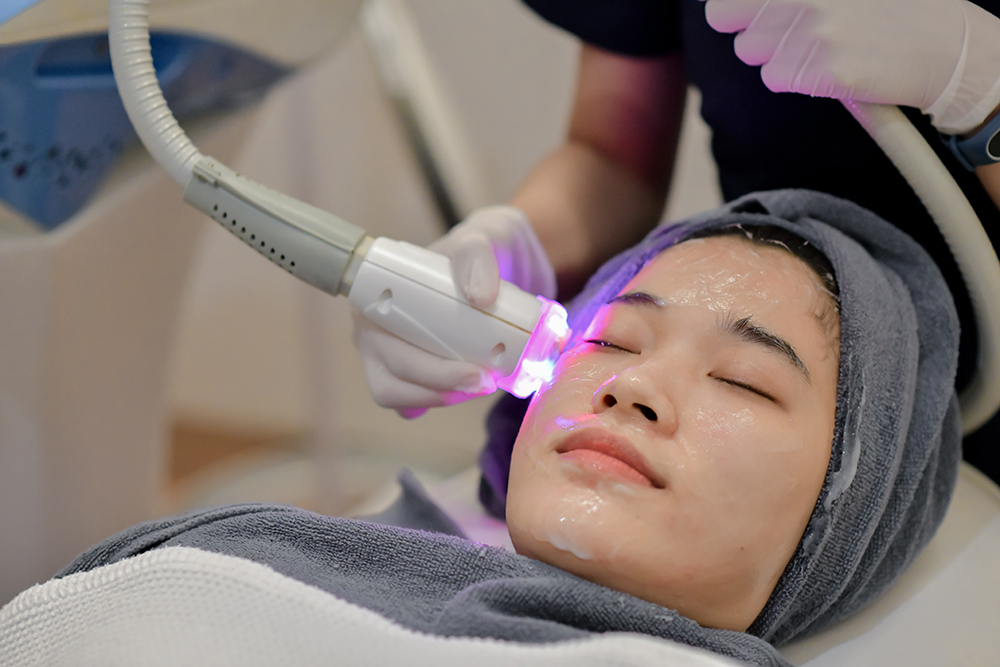
Acne scars, uneven skin tone, pigmentation and fine lines can affect how your skin looks and feels. In aesthetic medicine, laser treatments are commonly used to improve skin texture, support skin tightening, reduce pigmentation and address visible signs of sun exposure.
For those considering skin laser treatment in Singapore, terms such as ablative, non-ablative and fractional lasers can be confusing. Each type works differently, targets different skin concerns and involves different recovery expectations.
Understanding these differences can help you have a more informed discussion with your doctor before treatment.
What Are Ablative Laser Treatments?
Ablative laser treatments resurface the skin by removing controlled outer layers while delivering heat into the deeper layers. This process supports skin renewal and collagen remodelling as the skin heals.
Because these lasers affect the skin surface directly, recovery is usually longer than with non-ablative treatments. Redness, swelling, peeling and temporary skin sensitivity may occur, depending on the laser type, treatment intensity and individual skin response.
CO₂ Lasers
CO₂ lasers are used for skin resurfacing by vaporising damaged surface layers. They may be considered for acne scars, wrinkles and uneven texture and more significant signs of aging.
As CO₂ lasers create a stronger resurfacing effect, recovery may involve several days to weeks of redness, peeling and sensitivity.
Erbium Lasers
Erbium lasers also remove superficial skin layers but generally produce less heat than CO₂ lasers. They may be considered for milder skin concerns or for patients who require a shorter recovery period.
What Are Non-Ablative Laser Treatments?
Non-ablative laser treatments heat the deeper layers of the skin without removing the surface layer. They are commonly used to stimulate collagen production and address concerns such as redness, pigmentation, uneven skin tone and mild textural changes.
Because the skin surface remains intact, visible downtime is usually shorter. However, results tend to develop gradually and multiple sessions may be needed.
DRx Combi Yellow Laser
The DRx Combi Yellow Laser is used to address redness and vascular-related skin concerns. It generally involves minimal downtime, although temporary redness or mild swelling may occur.
XT Pro Laser
The XT Pro Laser is used for pigmentation concerns and skin rejuvenation. It may be included in treatment plans for patients seeking gradual skin brightening and texture refinement with minimal downtime.
Intense Pulsed Light (IPL)
Intense Pulsed Light, or IPL is not technically a laser, it is often discussed alongside laser treatments because it uses light energy to target pigmentation and redness.
Multiple sessions may be needed, depending on the skin concern, treatment area and individual response.
What Are Fractional Laser Treatments?
Fractional laser treatments deliver laser energy in tiny columns rather than treating the entire skin surface at once. By leaving surrounding skin untreated, this approach supports healing while targeting concerns such as acne scars, enlarged pores, uneven texture, and fine lines.
Fractional technology can be used with both ablative and non-ablative lasers. It is often chosen when patients want resurfacing benefits with a more manageable recovery period.
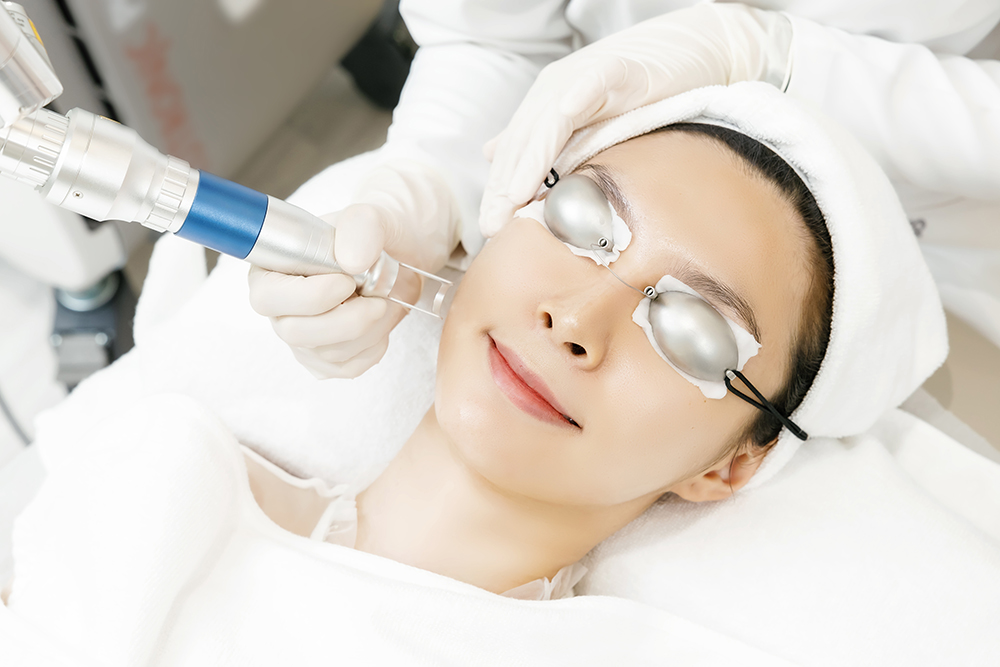
How to Choose the Right Laser Treatment?
The right laser treatment depends on your skin concern, skin type, treatment goals and downtime preferences. A medical assessment is important because different laser technologies work at different depths and carry different risks.
-
Skin Concerns Being Treated
Different laser treatments are suited to different concerns.
For example, acne scars may be treated with ablative or fractional laser treatments. Pigmentation concerns may be addressed with IPL or selected non-ablative lasers. Redness and visible blood vessels may respond to vascular laser treatments. Fine lines and uneven skin texture and mild skin laxity may be treated with resurfacing or collagen-stimulating lasers.
In some cases, a doctor may recommend combining different laser treatments to address multiple concerns.
-
Skin Type
Skin type plays an important role in laser treatment planning. Some skin tones may have a higher risk of post-inflammatory hyperpigmentation after certain laser procedures.
For this reason, doctors may adjust treatment settings, recommend specific laser technologies or plan treatment more gradually to reduce the risk of irritation or pigmentation changes.
-
Downtime Expectations
Downtime varies across laser categories.
Non-ablative treatments usually involve shorter recovery periods, while ablative treatments may produce more visible resurfacing effects but require longer healing time. Patients with work, travel or social commitments may need to factor recovery into their treatment schedule.
-
Number of Sessions
The number of sessions depends on the skin concern, treatment type, severity and individual healing response. As a general guide, mild pigmentation or dull skin may require several sessions of non-ablative laser treatment. Acne scars and uneven texture may require multiple fractional laser sessions. Facial redness may require repeated vascular laser treatments. Deeper acne scars or more significant textural concerns may involve fewer ablative laser sessions but longer recovery.
Your doctor will advise a treatment plan after assessing your skin.
-
Safety and Aftercare
Laser treatments create controlled heat effects in the skin, so proper aftercare is important.
Aftercare may include daily sun protection, gentle skincare, moisturiser to support the skin barrier, and avoiding exfoliants, scrubs or active ingredients until advised. Patients should also follow their doctor’s instructions closely.
Seek medical advice if you experience severe redness, swelling, blistering, worsening pain or signs of infection after treatment.
Understanding Your Laser Treatment Options at DRx Clinic
Laser treatments can address a range of concerns, including acne scars, pigmentation, uneven skin texture and signs of skin ageing. Because different laser technologies work in different ways, an assessment is important to determine which approach is most suitable for your skin type, concerns and treatment goals.
At The DRx Clinic, treatment recommendations are based on an individual evaluation rather than a one-size-fits-all approach. Depending on your concerns, our doctors may discuss options available under our Skin Laser Treatment services, along with the expected benefits, recovery considerations and treatment timeline.
Schedule an appointment to assess your skin condition and discuss appropriate treatment options with our medical team today.
Frequently Asked Questions About Laser Treatments
What is an appropriate age to start skin laser treatments?
There is no specific age at which skin laser treatments become necessary. Treatment suitability depends more on the skin concern being addressed than age alone. A consultation can help determine whether laser treatment is appropriate for your individual concerns.
Can I undergo skin laser treatments if I have cosmetic injectables?
In many cases, skin laser treatments can be performed in patients who have previously received cosmetic injectables. However, the timing and type of treatment may need to be planned carefully. Your doctor should be informed about any injectable treatments you have received so that an appropriate treatment schedule can be recommended.
Can breastfeeding mothers undergo skin laser treatments?
Certain skin laser treatments may be suitable during breastfeeding, depending on the type of laser used, the treatment area and your individual circumstances. However, treatment recommendations may vary, and some patients may choose to postpone elective aesthetic procedures until after breastfeeding. It is important to discuss your medical history and breastfeeding status with your doctor before proceeding with treatment.
Can multiple skin laser treatments be performed during the same visit?
In some cases, different laser treatments may be combined as part of a treatment plan to address multiple skin concerns. Whether treatments can be performed during the same visit depends on factors such as skin condition, treatment goals and the expected recovery process. Your doctor can advise whether a combination approach is suitable for you.
Are the results of skin laser treatments permanent?
While improvements achieved through laser treatments can be long-lasting, the skin continues to age naturally over time. Some patients may choose maintenance treatments to help preserve their results.
Do skin laser treatments hurt?
The level of discomfort varies depending on the treatment performed and individual pain tolerance. Many patients describe the sensation as a warming, tingling or snapping feeling on the skin. For treatments that may cause greater discomfort, topical numbing cream may be applied before the procedure to improve comfort.
I have pets at home. Do I need to keep them away after skin laser treatment?
Following laser treatment, the skin may be more sensitive while it heals. While there is generally no requirement to avoid pets completely, it is advisable to minimise direct contact between treated skin and pet fur, saliva or anything that could irritate the treatment area. Patients should also follow their doctor’s aftercare instructions and keep the treated area clean during the recovery period.