
How Ultherapy Treatment Works for Skin Tightening
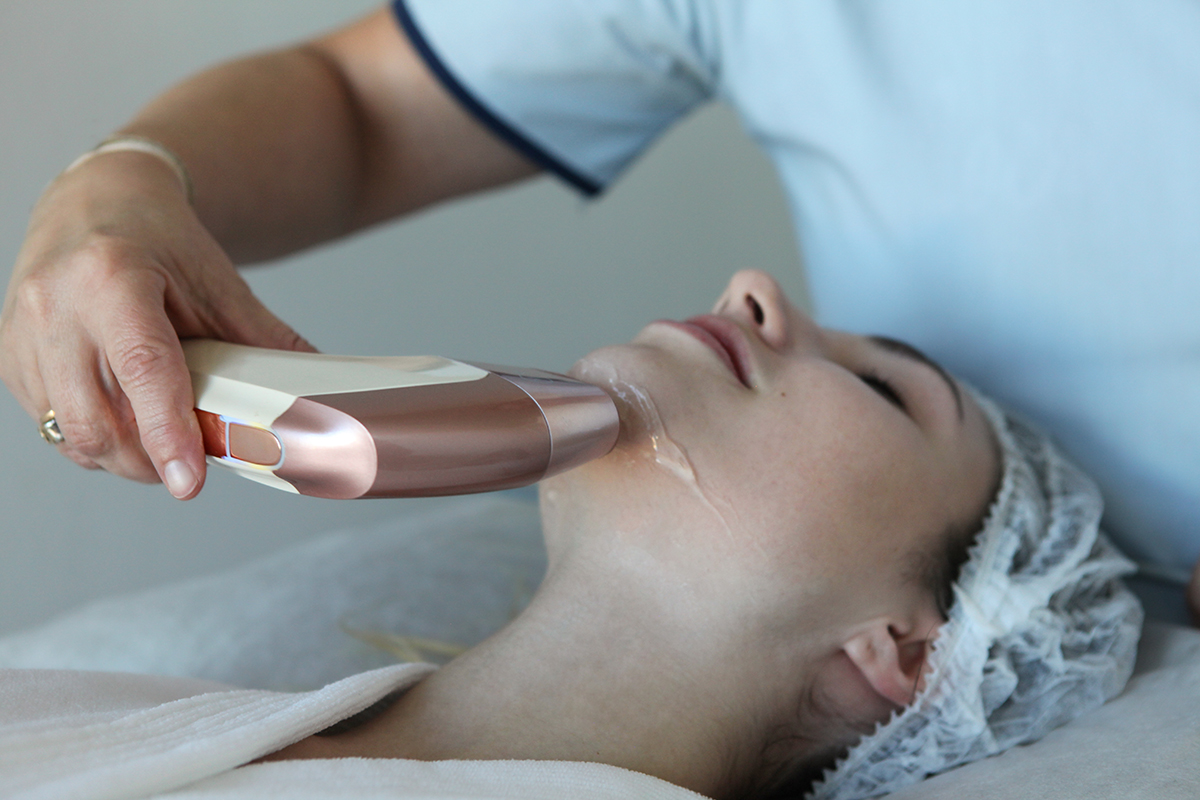
Have you noticed that your skin feels less firm than before, or that areas such as the jawline and cheeks appear less defined over time? These changes often happen gradually, so many people only become aware of them when looking in the mirror or in photographs.
As collagen levels naturally decline with age, mild skin laxity and softening of facial contours can become more noticeable. For individuals who are exploring non-surgical options, Ultherapy is one treatment that may be considered. Understanding how it works can help you assess whether it is suitable for your concerns and treatment goals.
What Is Ultherapy?
Ultherapy is a non-invasive treatment that uses focused ultrasound energy to lift and tighten selected areas of the skin. It is FDA-cleared for certain lifting indications and is commonly used in medical aesthetic practice for suitable candidates.
Unlike treatments that work mainly on the skin surface, Ultherapy targets deeper tissue layers involved in structural support while leaving the outer skin intact. This allows treatment to be delivered beneath the surface without surgery or injections. Common areas treated include the jawline, lower face, neck, brow area and upper chest or decolletage.
As there are no incisions and minimal downtime, Ultherapy is often considered by individuals seeking gradual improvement in skin firmness while maintaining their usual daily routine.
How Ultherapy Works
Ultherapy works by delivering focused ultrasound energy into precise depths beneath the skin. It also uses real-time ultrasound imaging, which allows the practitioner to visualise tissue layers during treatment and place energy more accurately.
Targeting Deeper Skin Layers
The treatment can reach different depths beneath the surface, including layers where collagen support structures are found. This means energy can be delivered below the skin without damaging the outer layer.
Stimulating Collagen Production
The ultrasound energy creates controlled thermal points in the targeted tissue. This triggers the body’s natural healing response, encouraging new collagen formation over time. Collagen is an important protein that helps support firmness and elasticity.
As fresh collagen develops gradually, the skin may appear tighter and more lifted in the months following treatment.
What Happens During an Ultherapy Treatment
Ultherapy is typically performed as an outpatient procedure and allows most individuals to return to daily activities shortly after.
Before the Treatment
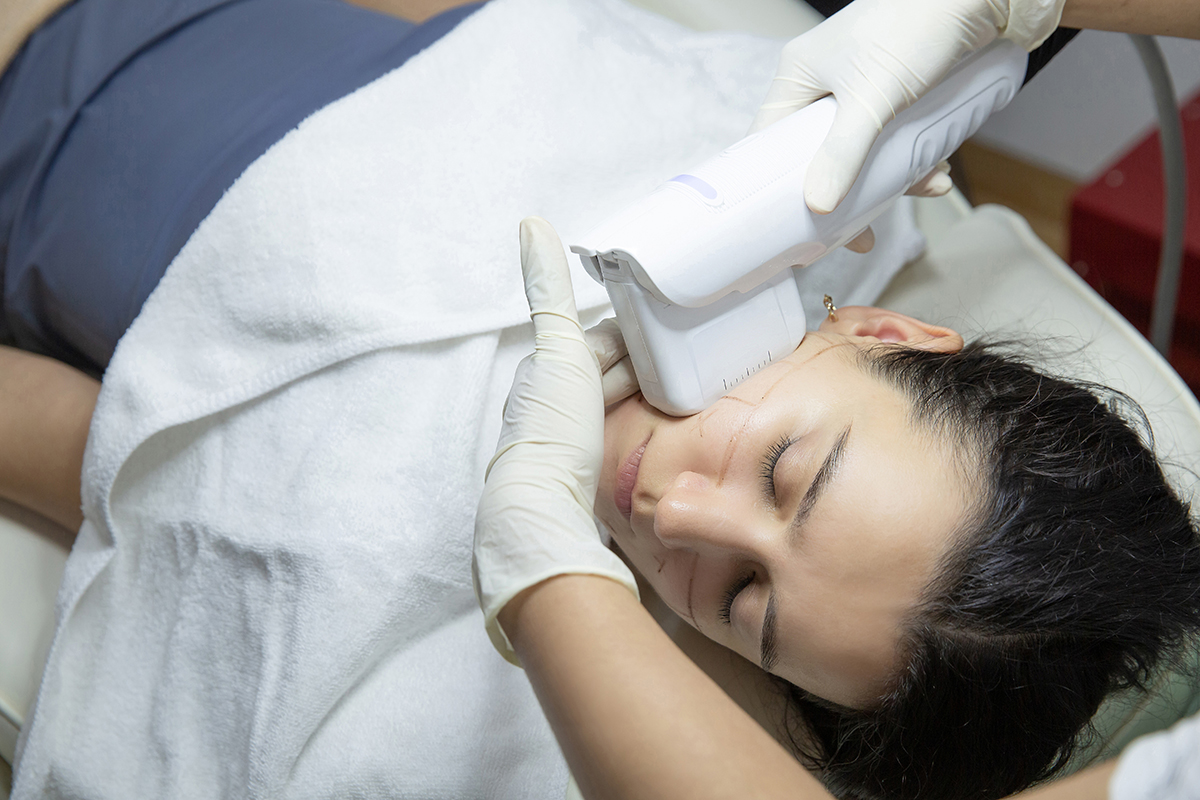
Your appointment typically begins with a consultation. The doctor will assess your skin, discuss your concerns and determine whether Ultherapy is appropriate for your needs. The skin is then cleansed and a gel is applied to help transmit ultrasound energy effectively.
During the Procedure
The practitioner places the device against the skin and delivers energy in controlled pulses. Real-time imaging may be used to guide the precise targeting of tissue layers. You may feel warmth, tingling or brief discomfort as energy is delivered at different depths, approximately 1.5 mm, 3.0 mm and 4.5 mm.
Sessions usually take around 30 to 90 minutes depending on the areas being treated.
After the Treatment
Most people can return to their usual activities right away. It is normal to experience mild redness, slight swelling or some tenderness in the treated area. These effects are typically temporary and settle on their own without the need for additional treatment.
What Results Can You Expect from Ultherapy?
Ultherapy results develop gradually as collagen production increases over time. Some individuals may notice subtle improvements in skin firmness within a few weeks, while more visible changes often appear after two to three months. In some cases, results may continue to improve over the following months as collagen remodelling progresses. The extent of improvement varies depending on factors such as age, skin condition and individual response.
Results are generally modest and progressive rather than immediate, making the changes appear more gradual over time. Effects may last around a year, although this can differ between individuals. Maintenance sessions may be considered based on your goals and clinical assessment.
Ultherapy is intended to support skin tightening and mild lifting. It does not achieve the same degree of lift as surgical procedures, so having realistic expectations is an important part of treatment planning.
Who Is Suitable for Ultherapy?
Ultherapy is often considered for individuals with mild to moderate skin laxity who prefer a non-surgical approach.
You may be suitable if you:
- See early signs of sagging along the jawline
- Notice a slight drooping of the brow
- Experience mild skin looseness on the neck
- Prefer gradual, natural-looking results
However, those with more significant skin laxity or heavier structural changes may require alternative treatments. A proper consultation is the best way to determine suitability.
Explore Whether Ultherapy Is Right for You
Ultherapy offers a non-invasive way to support collagen production and improve skin firmness in selected areas such as the face, neck and chest. For the right candidate, it can be a useful option for subtle rejuvenation without surgery or lengthy recovery.
The best treatment choice, however, always depends on your skin condition, goals and expectations. A personalised assessment helps ensure you receive advice that is appropriate and realistic.
If you are considering Ultherapy, schedule a consultation with the qualified doctors at The DRx Clinic today. Our team can assess your concerns, explain what to expect and guide you towards an aesthetic treatment plan tailored to your goals.